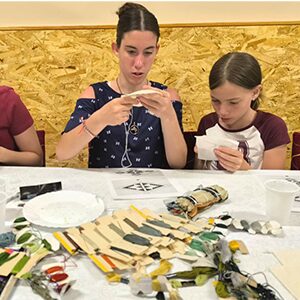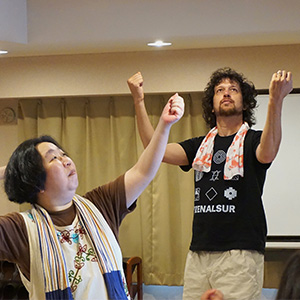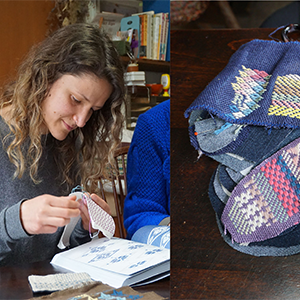

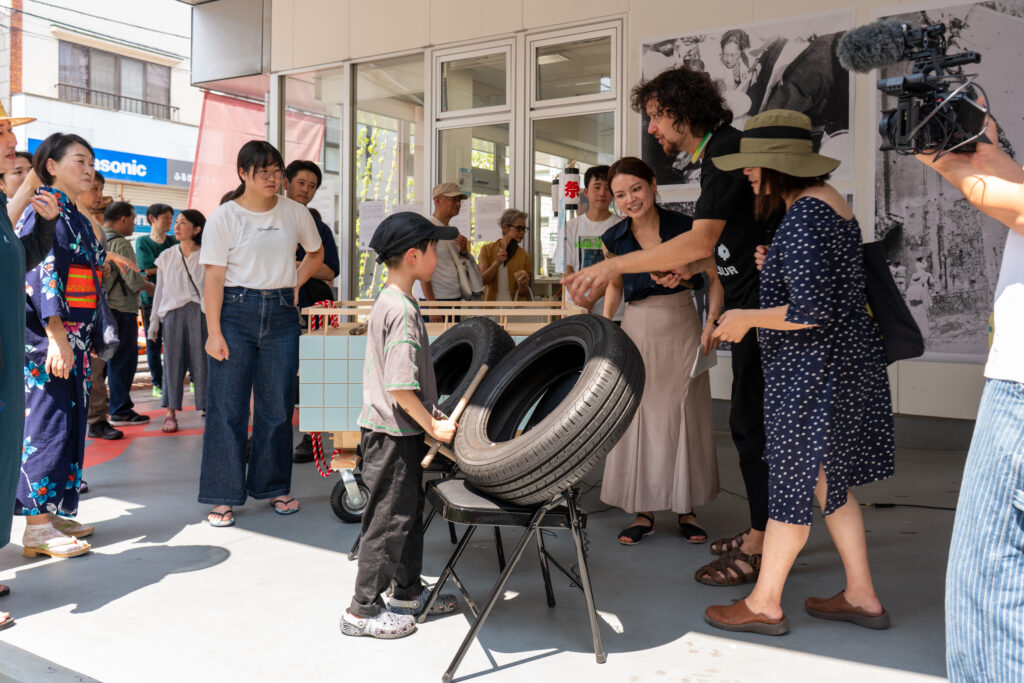
TURN is an art project designed to bring out each person’s individuality while confronting and reflecting on their differences and similarities, such as disability, age, gender, nationality and living environment.
PROGRAMS
TURN Activity Support Program
TURN supports artists engaged in activities within Japan and overseas, drawing on networks, knowledge and artistic expertise to make long-term contributions to communities.
Invitation/Collaboration Program
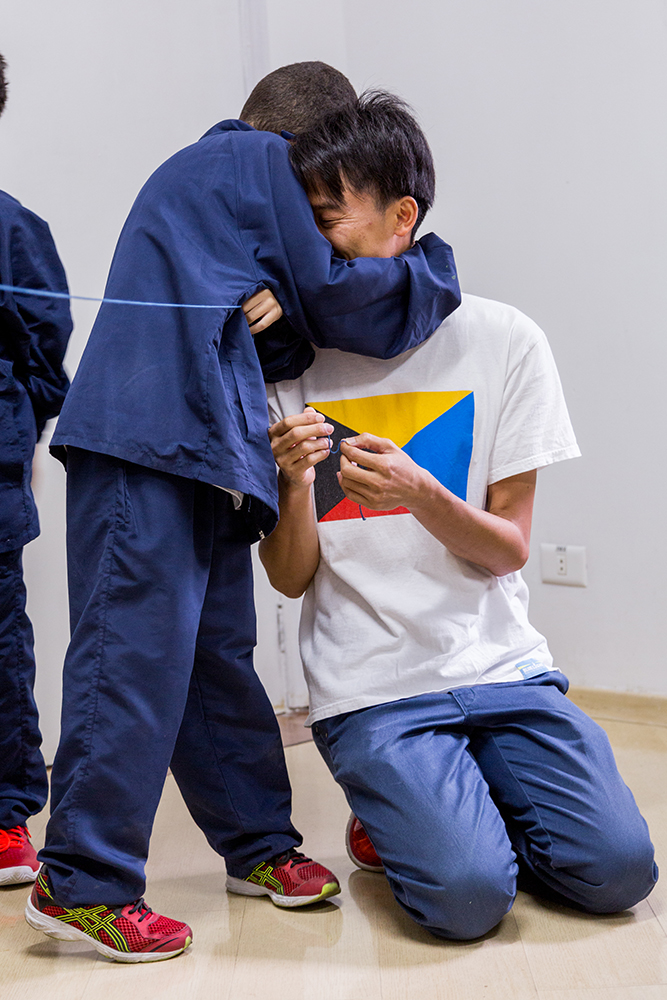
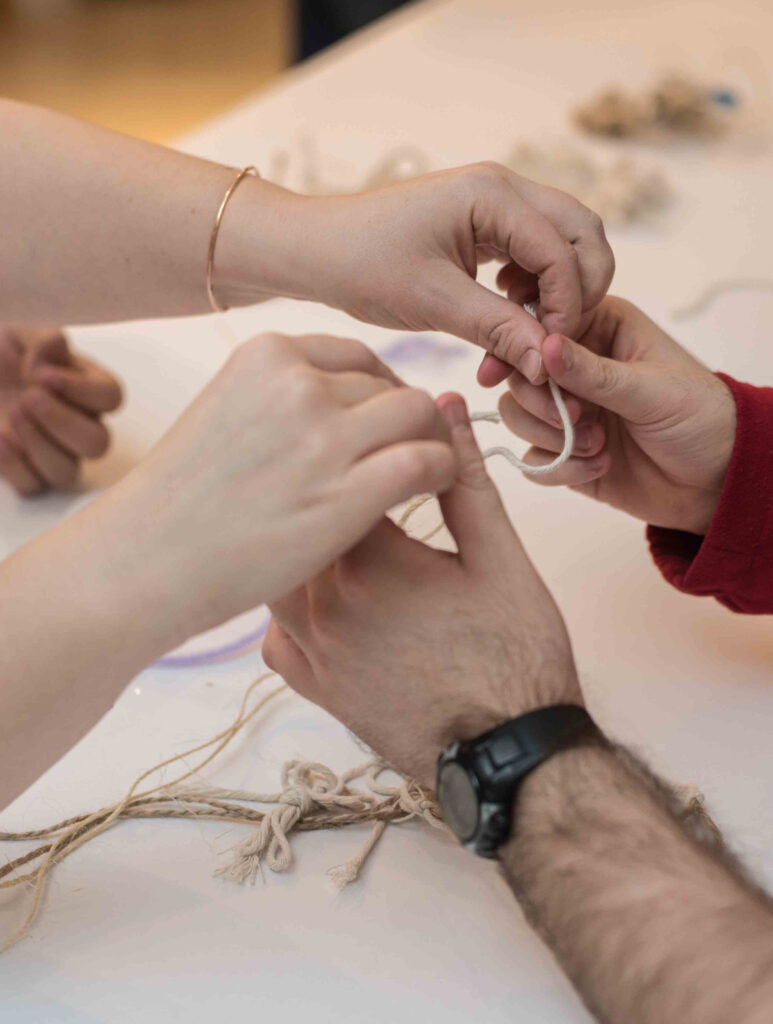
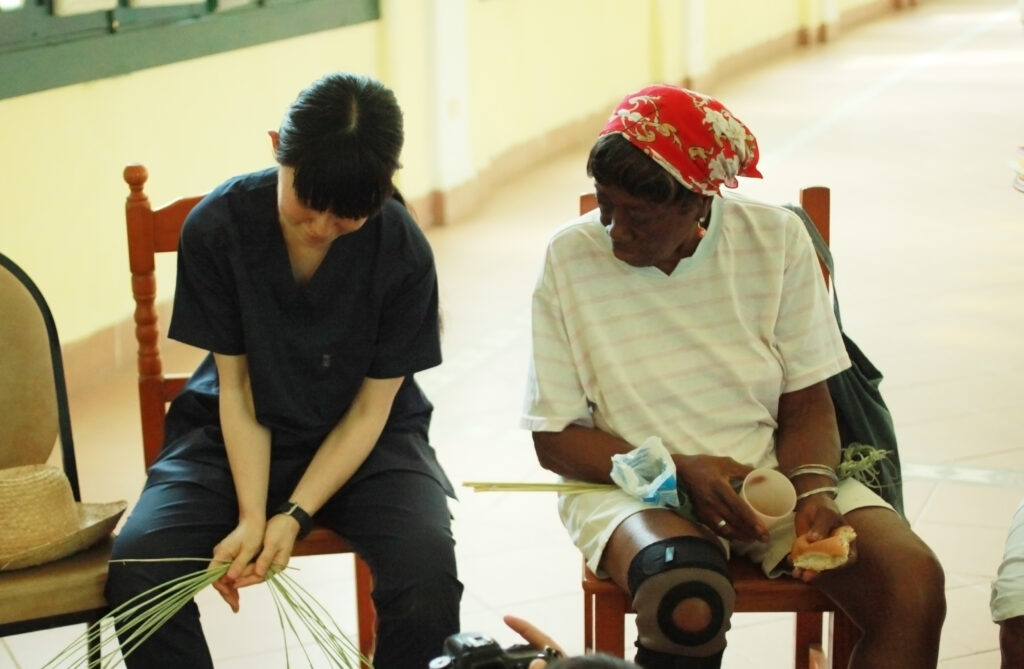
TURN responds to invitations from overseas art festivals and projects. Tokyo Geidai students and alumni collaborate with local organizers and curators on exhibitions and exchange activities.
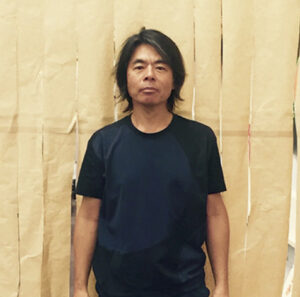
“We often overlook the subtle wave-like oscillations within our bodies. These vibrations are present within each of us, so giving them form connects people with a feeling of gentle togetherness.”
Katsuhiko Hibino (Artist, President of Tokyo University of the Arts)
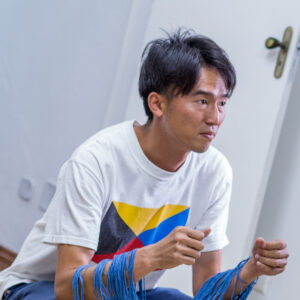
“We shared time and experiences while running around and winding thread. I felt an intersection of invisible currents among the participants.”
Yasuaki Igarashi (Artist)
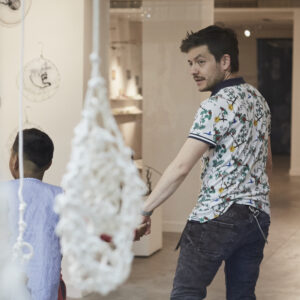
“I wanted to instigate change within the children. But this exchange project taught me that I am the one in need of change.”
Sebastian Camacho Ramirez (Artist)
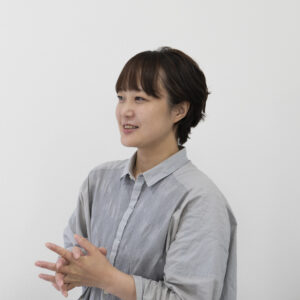
“Exchange activities make it possible to get a sense of the rhythms in each person’s everyday life and grasp things from the ways in which they express themselves. The idea is to be open to meeting the people who spend time at that place without pre-determining the methods or processes.”
Maria Hata (Project Assistant Professor, Tokyo University of the Arts)